
Democracy is Failing Us
As we look around the world today, it is increasingly evident that democracy as we know it is failing. Warning signs include falling voter participation, the influence of money in politics, and re-election taking priority over the issues of the day. Historical cycles show us that political systems evolve and change over time, and there is a growing expectation that a replacement for democracy will eventually emerge. We can expect to see a system that addresses the key vulnerabilities of the democratic systems we are familiar with today.
Elected Representatives
One major issue to contend with is elected leaders failing to stick to their commitments and becoming susceptible to corruption. Both are products of a system that confers broad powers on elected representatives over an extended period of time. While this was a necessary evil back when systems processed information slowly, emerging technologies like blockchain could revolutionize the way we vote, enabling micro-voting and ensuring greater transparency and accountability. In a world where voters have direct input on every issue, it is no longer necessary to entrust a third party to represent voter interests.
Voter Intelligence
Another challenge is that voters are not always well-informed about the issues at hand, leading to the rise of populism. An interesting solution to consider is a system of qualified voters, where certification and ongoing obligations to stay informed are prerequisites. This, of course, creates a voting class divide and is prone to abuse — independent and fair supervision would become critical, possibly expanding the role of current election authorities. Might we even end up considering a social scoring system at some point in time?
Information in a Post-Truth World
In today’s post-truth world, objective facts are less influential in shaping public opinion than appeals to emotion and personal belief. Ensuring that the voting class is presented with accurate and complete information is crucial. This is something the world is already struggling with, and no single effective solution has emerged. A combination of public education, identification of primary sources of information, and technology-aided verification appears to be the best available combination for now.
What a New System Might Look Like
To achieve critical mass, a new version of democracy will need to address these failings. While this might significantly change the way we participate in politics, with AI and automation reducing the time we spend at work, some of us might have more time and inclination to engage more actively. But how would the current ruling class be convinced to accept the transition? And what would we call it anyway — Chain Democracy? Qualified Democracy?
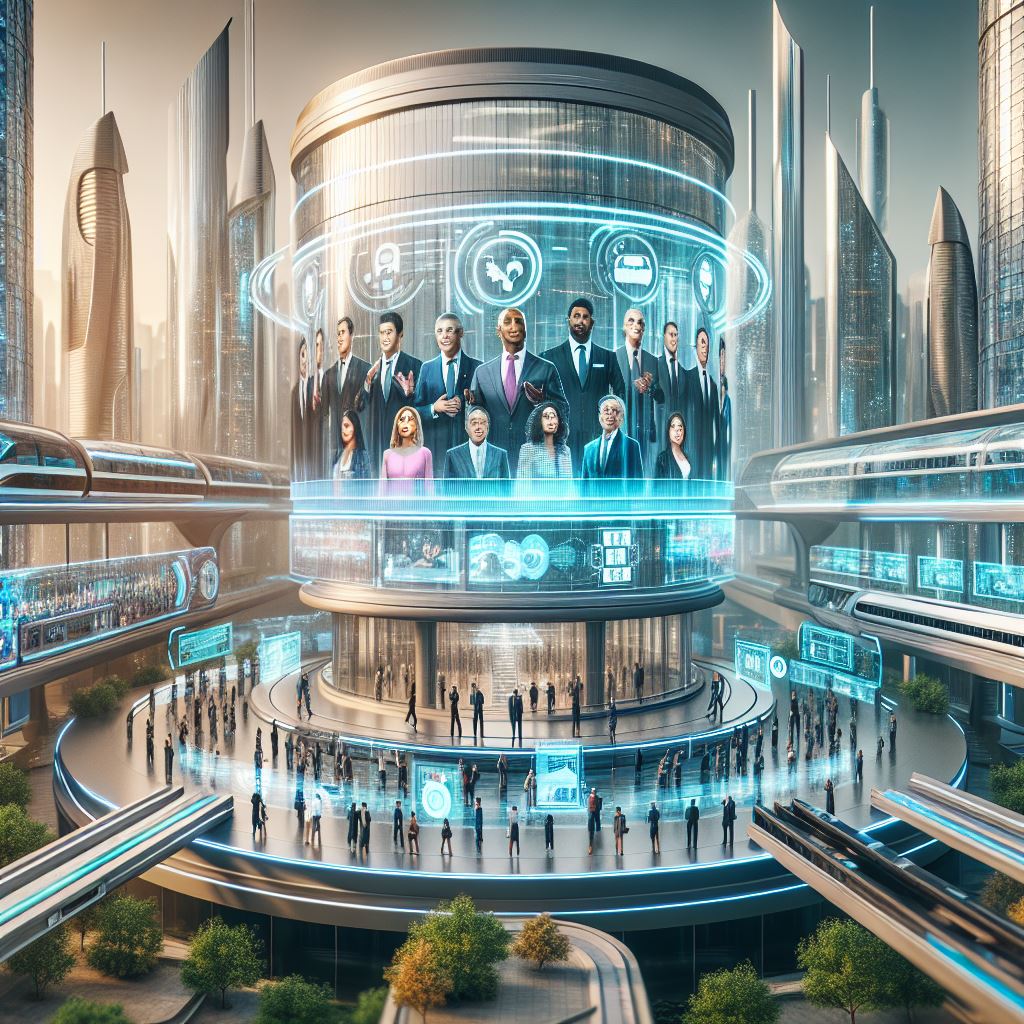
While democracy is facing significant challenges, there is hope for a new system that leverages technology and ensures informed, qualified voting. This future political system could lead to greater transparency, accountability, and engagement, paving the way for more effective and trustworthy governance.
#Democracy2.0 #FutureOfPolitics #PoliticalReform #BlockchainVoting #QualifiedVoters #PostTruthWorld #TransparencyInPolitics #AccountableGovernance #AIAndPolitics #TechnoDemocracy #PoliticalInnovation #VoterAwareness #PoliticalMusings
 Ten Eighty Consulting Indonesia
Leave a comment